How to Extend Your Healthspan
Living Longer Is Not Enough
Living longer is one goal. Living longer while staying strong, active, independent and mentally well is another.
Healthspan refers to the years of life spent in good health and with the physical and mental capacity to continue doing the things that matter to you. While no lifestyle can guarantee a longer life, evidence consistently shows that everyday factors such as physical activity, nutrition, sleep, preventive healthcare and avoiding harmful habits can influence how well we age. WHO describes healthy ageing as maintaining the functional ability that supports wellbeing as we grow older.
At Thanyapura Sports & Health Resort Phuket, we believe longevity is not simply about adding more years to life. It is about helping you make those years healthier, stronger and more active.
What Is Healthspan?
Healthspan is the period of your life during which you remain healthy, functional and able to live independently.
It is different from lifespan, which simply describes how long you live.
For example, two people may both live to age 85, but one may remain physically active and independent into their eighties while another may spend many years managing preventable chronic conditions.
That difference is why modern longevity medicine increasingly focuses on quality of life, physical function and disease prevention, rather than age alone.
Research on healthy longevity also suggests that combinations of healthy lifestyle habits are associated with more years lived free from major chronic diseases such as cardiovascular disease, diabetes and cancer.

Lifespan vs Healthspan
| Lifespan | Healthspan |
|---|---|
| How long you live | How long you live in good health |
| Measured in years | Focuses on function and wellbeing |
| Influenced by genetics, environment and lifestyle | Strongly connected with lifestyle and preventive care |
| Goal: longer life | Goal: healthier, more independent years |
Not only to live longer — but to stay capable for as much of that life as possible.
Can You Really Extend Your Healthspan?
There is no single supplement, treatment or “anti-ageing” shortcut that can guarantee a longer healthspan.
However, many of the factors associated with healthy ageing are modifiable.
Regular physical activity, good nutrition, sufficient recovery, maintaining muscle and cardiovascular fitness, monitoring important health markers and addressing risk factors early can all contribute to healthier ageing.
The starting point is not perfection.
It is knowing where you are today — and improving from there.
6 Ways to Support a Longer, Healthier Life
1. Know Your Health Before Problems Appear
Many important health changes can develop quietly.
Blood pressure, blood glucose, cholesterol, liver and kidney function, hormonal health, inflammation and body composition may change before you notice obvious symptoms.
That is why preventive health screening can be an important part of a long-term health strategy.
Instead of asking only:
“Am I sick?”
A proactive approach asks:
“What can I understand about my health today that may help me make better decisions tomorrow?”
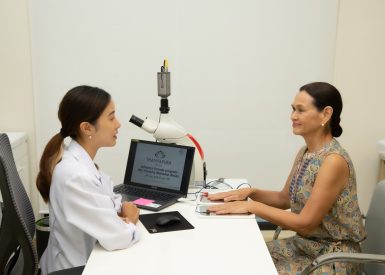
Thanyapura’s Health Check-Up Programs include assessments across areas such as blood health, glucose, lipid profile, liver and kidney function, hormones and other health markers, together with physician consultation and personalised next steps.
2. Protect Your Muscle as You Age
One of the most important components of healthy ageing is something you can train:
your strength.
Muscle supports much more than appearance. It helps with mobility, balance, metabolic health and the ability to remain physically independent later in life.
WHO recommends that adults perform muscle-strengthening activities involving all major muscle groups at least two days per week, alongside regular aerobic activity.
This becomes increasingly important as we get older.
A well-designed strength programme may include:
-
Squatting and lower-body strength
-
Pushing and pulling movements
-
Core stability
-
Balance
-
Mobility
-
Progressive resistance training
The goal is not necessarily to become a bodybuilder.
The goal is to build a body that continues to work for you.
3. Train Your Heart and Cardiovascular Fitness
Strength is only part of the equation.
Your heart, lungs and circulatory system also need regular training.
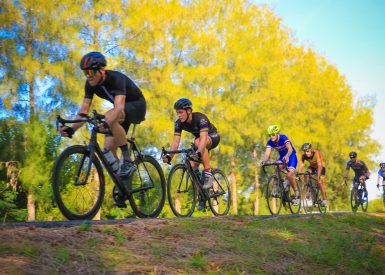
WHO recommends adults aim for approximately 150–300 minutes of moderate aerobic activity per week, or 75–150 minutes of vigorous activity, depending on individual ability and health status.
That does not mean spending hours on a treadmill.
Cardiovascular exercise could include:
The best form of exercise is often the one you enjoy enough to keep doing consistently.
At Thanyapura, guests can combine structured fitness training with swimming, tennis, running and other activities within one destination.
4. Eat for the Next 20 Years — Not the Next 20 Days
Longevity nutrition is not about chasing the newest restrictive diet.
A stronger approach focuses on diet quality and consistency.
Eating patterns associated with healthy ageing commonly emphasise:
-
Vegetables and fruit
-
Whole grains
-
Legumes
-
Nuts and seeds
-
Quality protein
-
Fish
-
Healthy fats
-
Minimally processed foods
while limiting excessive amounts of ultra-processed foods and processed meats.
Research into Mediterranean-style eating patterns has consistently associated them with cardiovascular benefits and healthy ageing.
But nutrition should also be personal.
A recreational athlete, someone aiming to improve body composition and someone managing metabolic risk may require different strategies.
5. Treat Recovery as Part of Your Health Plan
More training does not always mean better health.
Your body also needs time to adapt.
Sleep and recovery influence physical performance, energy, cardiovascular health and day-to-day wellbeing.
Most adults need at least seven hours of sleep per night, according to CDC guidance.
Good recovery habits may include:
-
Maintaining a regular sleep routine
-
Taking appropriate rest days
-
Managing training intensity
-
Mobility work
-
Massage
-
Stress management
-
Sauna, steam or cold-water recovery according to individual needs
At Thanyapura, the wellness environment includes massage services and recovery facilities such as sauna, steam room, hot plunge and cold plunge, making recovery part of the wider active lifestyle experience.
Recovery is not what you do instead of training. Recovery is part of training.
6. Build a Plan You Can Actually Maintain
Longevity is rarely created by one dramatic transformation.
It is more often built through habits repeated for years.
You do not need to optimise everything at once.
Start with questions such as:
-
How is my health today
-
Am I maintaining strength
-
Is my cardiovascular fitness improving
-
Am I eating in a way I can sustain
-
Am I recovering properly
-
What health risks should I be paying attention to
Then create priorities that fit your age, lifestyle, goals and medical history.
That is why personalised health planning can be more useful than simply copying someone else’s longevity routine.
What Should You Measure for Healthy Ageing?
There is no single “longevity score” that tells the whole story.
Instead, healthcare and fitness professionals may look at a combination of indicators depending on the individual.
These can include:
Medical health
-
Blood pressure
-
Blood glucose and HbA1c
-
Cholesterol and lipid profile
-
Liver and kidney function
-
Selected hormone and nutrient markers
Body health
-
Body composition
-
Waist measurement
-
Muscle mass
Physical performance
-
Strength
-
Mobility
-
Balance
-
Cardiovascular fitness
Lifestyle
-
Nutrition
-
Sleep
-
Physical activity
-
Stress
-
Recovery
The important part is not collecting as much data as possible.
It is collecting useful information and turning it into action.
Thanyapura’s health screening services combine diagnostic testing with physician consultation, while its broader health and sports environment provides access to nutrition, exercise and recovery support.
The Thanyapura Approach to Healthspan
Assess. Train. Nourish. Recover.
Healthy ageing is rarely about one service in isolation.
At Thanyapura, medical health, movement, nutrition and recovery can be brought together within one environment.
1. ASSESS
Understand your current health through:
Health Check-Up Programs
Medical Consultation
Body Composition Analysis
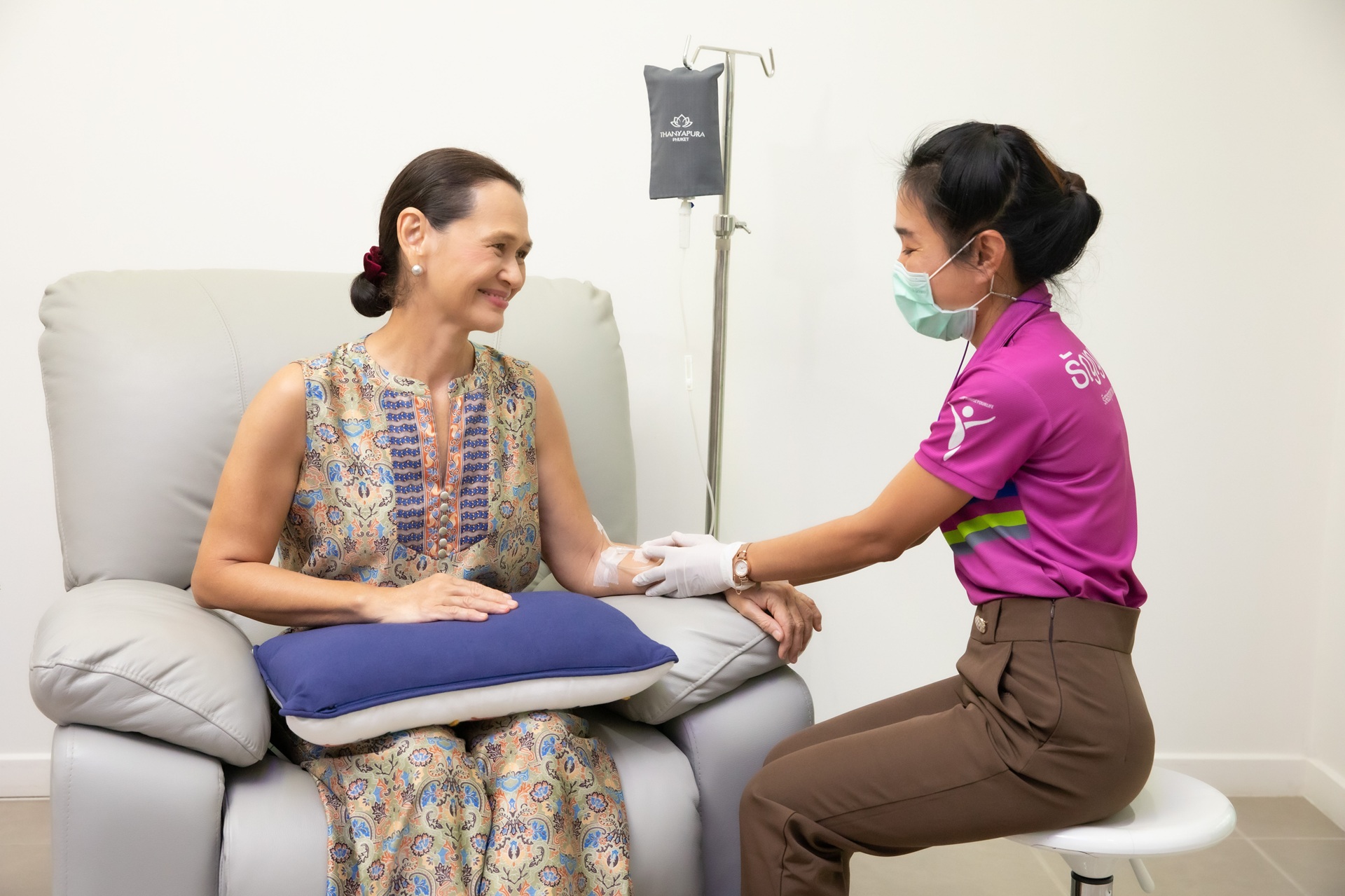
Thanyapura’s medical consultations can incorporate diagnostic information such as blood, urine and other tests to help physicians build a more complete picture of individual health.
2. TRAIN
Maintain the physical qualities that matter for life:
Strength
Cardiovascular fitness
Mobility
Balance
with support from coaches, personal trainers and extensive sports facilities.
3. NOURISH
Work with nutrition professionals to develop eating habits appropriate for:
Long-term health
Body composition
Energy
Sports performance
4. RECOVER
Support adaptation and wellbeing through:
Sleep and recovery strategies
Massage
Sauna and steam
Hot and cold recovery
The goal is not to chase age. It is to build a lifestyle that keeps you capable.
When Should You Start Thinking About Healthspan?
Earlier than you might think.
Healthy ageing is not something that begins at 60 or 70.
The habits and health risks accumulated throughout adulthood influence later-life function.
Thanyapura recommends proactive health assessment for a broad range of people, including adults monitoring their health, athletes tracking performance, professionals managing lifestyle risks and people seeking greater clarity about their wellbeing.
You do not need to wait until something feels wrong.
Prevention starts while you still feel well.
Your Health Is Your Longest Investment
You cannot control every aspect of ageing.
But you can influence many of the factors that determine how you feel, move and function as you grow older.
Start with the fundamentals:
-
Know your health.
-
Build and protect muscle.
-
Train your cardiovascular system.
-
Eat well.
-
Sleep and recover.
-
Repeat consistently.
Because the goal of longevity is not simply adding years to your life.
It is adding life to your years.
Start Your Healthspan Journey at Thanyapura
At Thanyapura Sports & Health Resort Phuket, health, sport and lifestyle come together in one destination.
Whether you want to better understand your health, improve your fitness, optimise nutrition or create a more sustainable lifestyle, our integrated team can help you identify the right place to start.
Your health is your longest investment.
KNOW YOUR HEALTH. LIVE BETTER.
FAQ — Healthspan & Healthy Ageing
What is healthspan?
At Thanyapura Sports & Health Resort Phuket, health, sport and lifestyle come together in one destination.
Whether you want to better understand your health, improve your fitness, optimise nutrition or create a more sustainable lifestyle, our integrated team can help you identify the right place to start.
What is the difference between lifespan and healthspan?
Lifespan is the total number of years you live, while healthspan focuses on the years you live in good health. The aim of healthy ageing is to preserve physical function, mental wellbeing and independence for as long as possible.
Can you increase your healthspan?
No method can guarantee a longer healthspan. However, regular exercise, healthy nutrition, adequate sleep, avoiding harmful habits and managing health risks through appropriate preventive care are associated with healthier ageing.
What type of exercise is best for longevity?
A combination of aerobic exercise, strength training, mobility and balance work provides a strong foundation. WHO recommends 150–300 minutes of moderate aerobic activity per week for adults, plus muscle-strengthening activity on at least two days.
Why is muscle important for healthy ageing?
Muscle supports strength, mobility, balance and everyday physical function. Maintaining strength as you age can help you remain active and independent.
Should healthy people have regular health check-ups?
The appropriate screening schedule depends on age, medical history and personal risk. Preventive health assessments can help identify certain risk factors before symptoms develop, but testing should be selected and interpreted with qualified healthcare professionals.